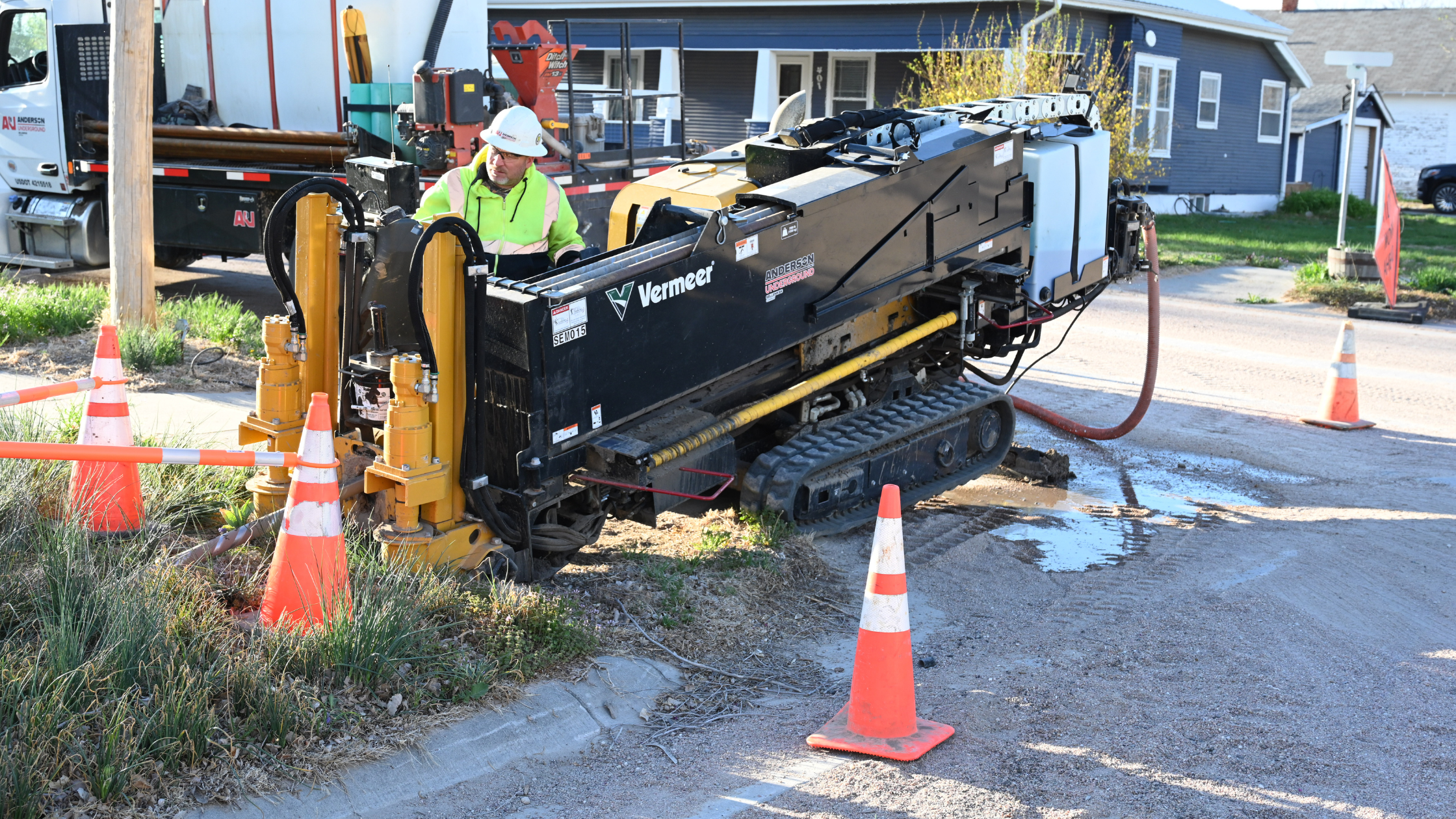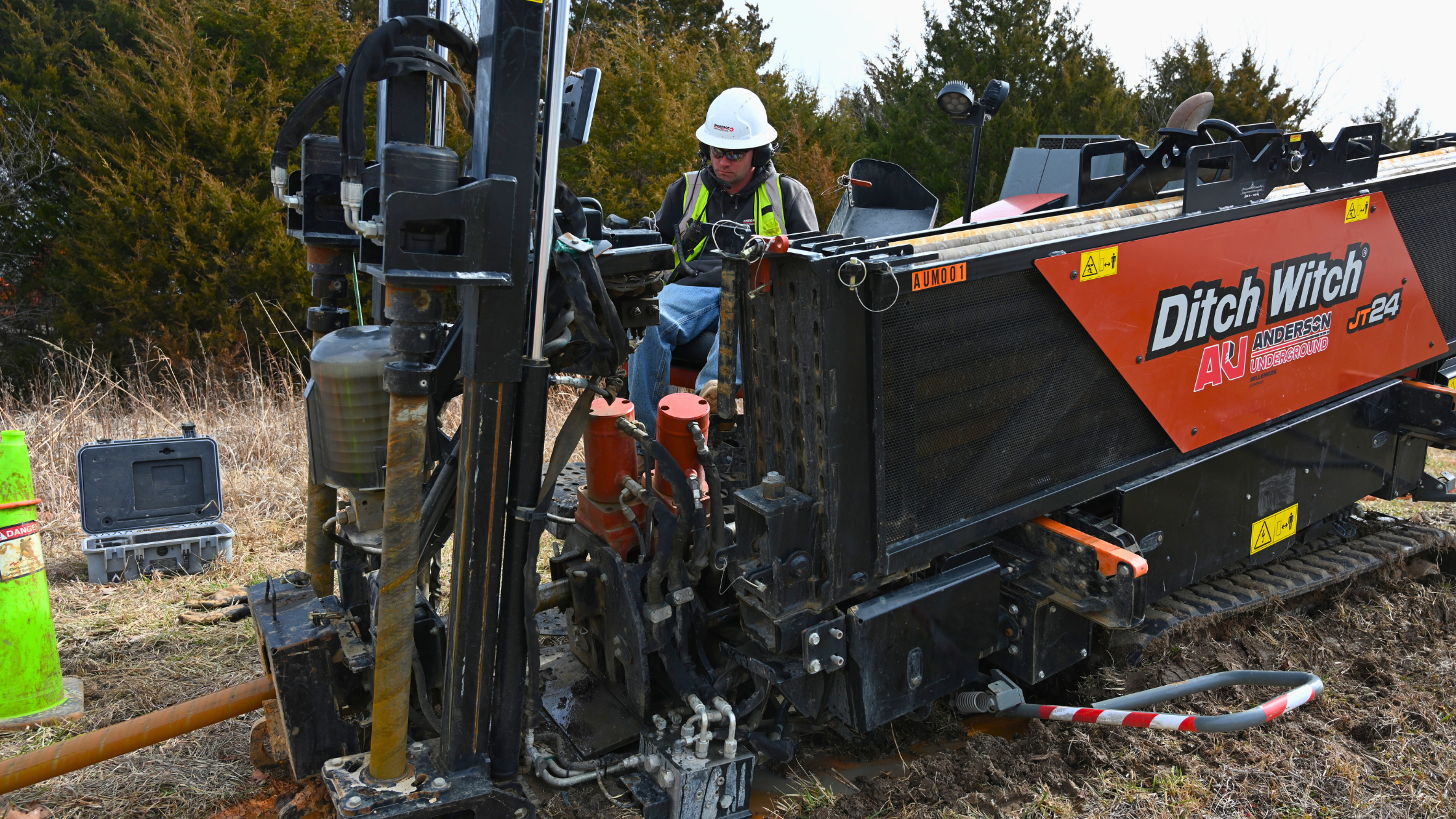
In underground infrastructure work, safety is not just a requirement; it is the foundation of successful project execution. Strong underground construction safety, disciplined crews, and consistent procedures are what allow projects to move efficiently while protecting workers, communities, and existing infrastructure.
For utilities, telecom providers, municipalities, and infrastructure owners, safety is directly connected to project reliability. When crews operate with clear utility construction safety practices and maintain a culture of disciplined execution, projects stay on schedule, disruptions are minimized, and long-term system integrity is protected.
At Anderson Underground, safety is embedded into how projects are planned, executed, and completed, because safe underground work is inseparable from quality work.
Why Safety Is Foundational to Underground Construction
Underground construction projects operate in complex environments. Crews often work around existing utilities, public infrastructure, roadways, and active job sites where multiple contractors may be present.
Without disciplined safety procedures, risks can escalate quickly.
Effective underground construction safety focuses on three core priorities:
- Protecting crews and surrounding workers
- Preventing damage to existing infrastructure
- Maintaining consistent, predictable project execution
These priorities reinforce Anderson Underground’s broader commitment to reliability, professionalism, and quality craftsmanship in underground infrastructure projects.
When safety is treated as a foundational element of project execution, not an afterthought, it strengthens every phase of the work.
How Safety Supports Schedule Reliability
One of the most overlooked benefits of strong safety practices is their impact on project timelines.
Safety and schedule reliability are closely connected. Projects that maintain disciplined procedures and professional crews are far less likely to experience delays caused by incidents, damaged infrastructure, or unplanned shutdowns.
Strong utility construction safety practices help ensure:
- Fewer unexpected disruptions on the jobsite
- Reduced risk of damaging existing underground utilities
- Clear coordination between crews and project stakeholders
- Consistent production progress throughout the project lifecycle
When safety standards are clearly defined and followed consistently, crews can work with confidence and efficiency, keeping projects moving forward without unnecessary setbacks.
Professional Crews Make Safe Underground Work Possible
Equipment, planning, and procedures all play a role in safety. But the most important factor is the people performing the work.
Experienced crews bring the professionalism and discipline needed to execute underground construction safely. This includes:
- Following established safety protocols
- Maintaining awareness of existing infrastructure and jobsite conditions
- Communicating clearly with project managers and other contractors
- Adapting to changing field conditions while maintaining safe practices
Professional crews understand that safety is part of the job, not something separate from it.
“Every day there are more underground utilities installed across the country. Every day our crews in the field are exposed to the risks of working around a more and more complex network of obstacles both known and unknown. To keep our people, our customers, and the public safe we need people willing to share our values of safe and quality workmanship every day, every time out.”
—Nick Anderson, Director of Operations
Reducing Risk to Existing Infrastructure
Underground construction often takes place in environments where existing utilities, such as electric, telecom, gas, or water infrastructure, are already present.
Protecting those assets is essential to maintaining service reliability for communities and avoiding costly disruptions.
Strong underground construction safety practices focus on:
- Accurate planning and coordination before work begins
- Careful excavation and drilling procedures
- Clear communication with project stakeholders
- Maintaining situational awareness on active jobsites
These practices help prevent unintended impacts to critical infrastructure while allowing projects to move forward safely.
Safety, Discipline, and Execution Quality
In underground construction, safety and execution quality are closely linked.
Crews that follow consistent safety procedures also tend to produce more reliable work. Their discipline translates into cleaner installs, better coordination across teams, and fewer jobsite disruptions.
This connection between safety and performance reinforces Anderson Underground’s approach to underground infrastructure projects, combining technical expertise with professional execution to deliver dependable results.
Safety is not just about compliance. It is about building a project environment where crews can perform their work efficiently and confidently.
A Long-Term Commitment to Safe Underground Work
Underground infrastructure projects often support essential services for communities, utilities, and critical industries.
That responsibility requires a long-term commitment to safety, professionalism, and disciplined field execution.
By prioritizing safe underground work, contractors can deliver projects that are:
- Reliable
- Efficient
- Respectful of surrounding infrastructure
- Built to support long-term performance
For project owners and infrastructure leaders, safety is one of the clearest indicators of a contractor’s reliability, and one of the strongest predictors of project success.
What are the most important underground construction safety practices?
Key utility construction safety practices include proper planning before excavation, protecting existing infrastructure, maintaining clear communication between crews, and ensuring all team members follow established safety procedures throughout the project.
Why is underground construction safety critical for utilities?
Utilities rely on underground infrastructure to deliver essential services. Strong underground construction safety reduces the risk of damaging existing lines and helps ensure projects are completed without disruptions to service.
How does crew discipline impact safe underground work?
Disciplined crews follow procedures consistently, maintain awareness of jobsite conditions, and communicate effectively with other contractors. These habits are essential to maintaining safe underground work on complex infrastructure projects.
What types of projects require underground construction contractors?
Underground contractors support projects such as fiber optic installation, utility infrastructure expansion, renewable energy connections, and municipal infrastructure improvements.
How do utilities evaluate underground construction partners?
Utilities often evaluate contractors based on safety performance, execution reliability, crew experience, and the ability to complete projects efficiently without disruptions.
Why is reliability important in underground infrastructure projects?
Underground infrastructure supports critical services. Reliable contractors help ensure projects are completed on time, installed correctly, and capable of supporting long-term infrastructure performance.