For municipalities, infrastructure improvements are necessary, but disruption is not inevitable.
From road closures and noise to utility interruptions and public frustration, municipal underground construction projects can quickly impact daily life if not properly planned and executed. The difference between a disruptive project and a well-managed one comes down to three things: planning, communication, and professionalism.
At Anderson Underground, the focus is simple: do the job right the first time while minimizing disruption to the communities we serve. This approach aligns with the company’s long-standing commitment to integrity, efficiency, and long-term durability in underground construction.
Why Minimizing Disruption Matters
Municipal stakeholders, city administrators, public works leaders, and infrastructure directors are responsible not just for project completion but for maintaining public trust.
Disruption affects:
- Residents navigating road closures and service interruptions
- Local businesses relying on accessibility and consistent traffic
- Emergency services that depend on clear, predictable routes
- Public perception of the project and the municipality
Minimizing disruption in utility projects isn’t just about convenience; it’s about protecting the community experience while delivering essential infrastructure.
Planning: The First Step to Reducing Impact
The most effective way to minimize disruption starts long before crews arrive on-site.
Strong planning includes:
- Detailed route and scope coordination to avoid unnecessary rework
- Pre-construction site evaluations to identify potential conflicts
- Utility locating and verification to prevent unexpected delays
- Phased project scheduling to limit the impact on specific areas at a time
When planning is done correctly, projects move efficiently, reducing both timeline risk and community inconvenience.
Communication: Keeping Communities Informed
Even well-executed projects create some level of disruption. What separates strong partners from the rest is how they communicate through it.
Effective communication includes:
- Clear timelines shared with municipal stakeholders
- Ongoing updates as conditions change
- Coordination with local agencies and departments
This transparency ensures that stakeholders are never left guessing, and communities feel considered, not overlooked.
Execution: Professionalism in the Field
Once work begins, field execution becomes the most visible part of the project.
Minimizing disruption in the field means:
- Maintaining clean, organized job sites
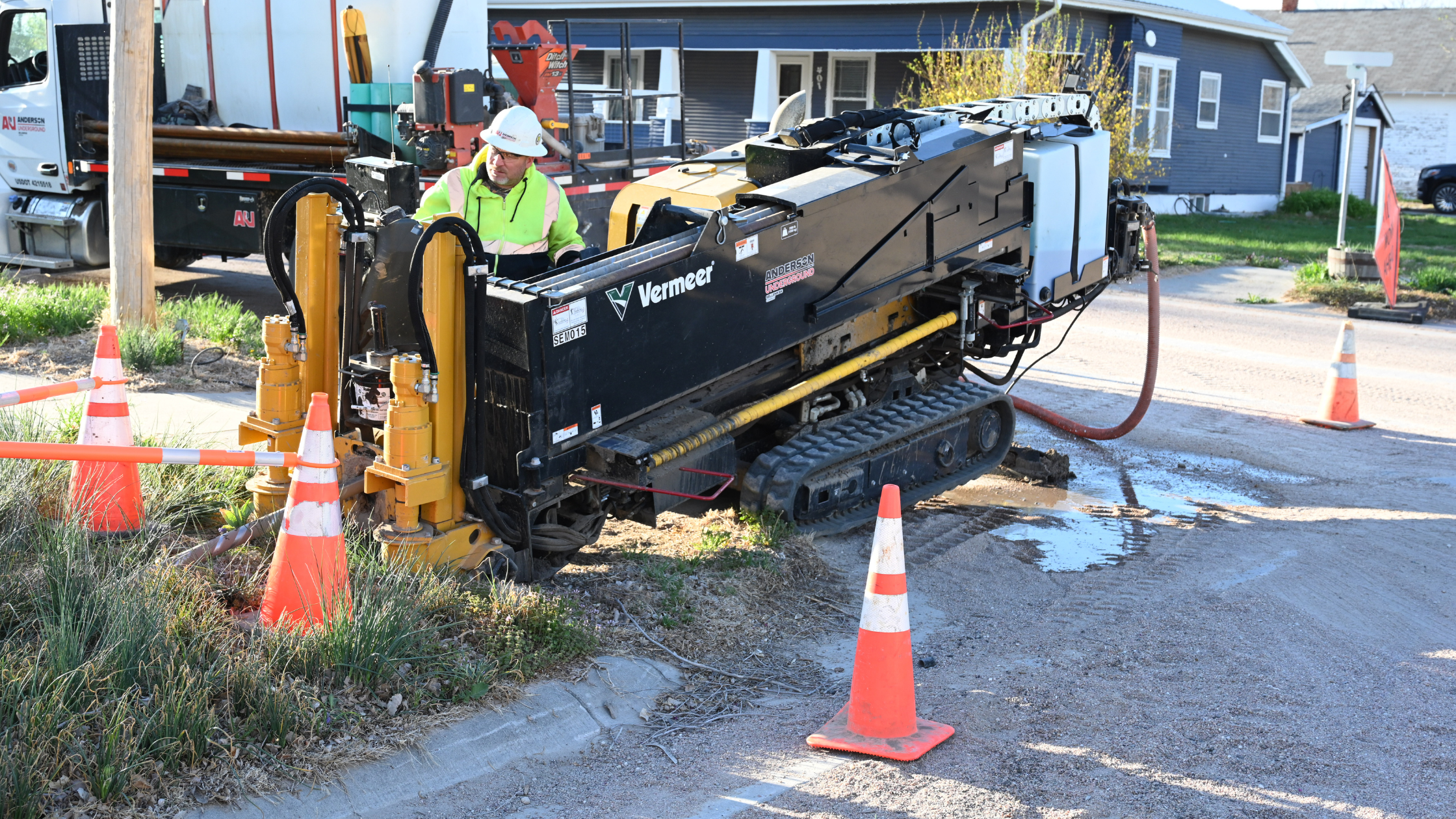
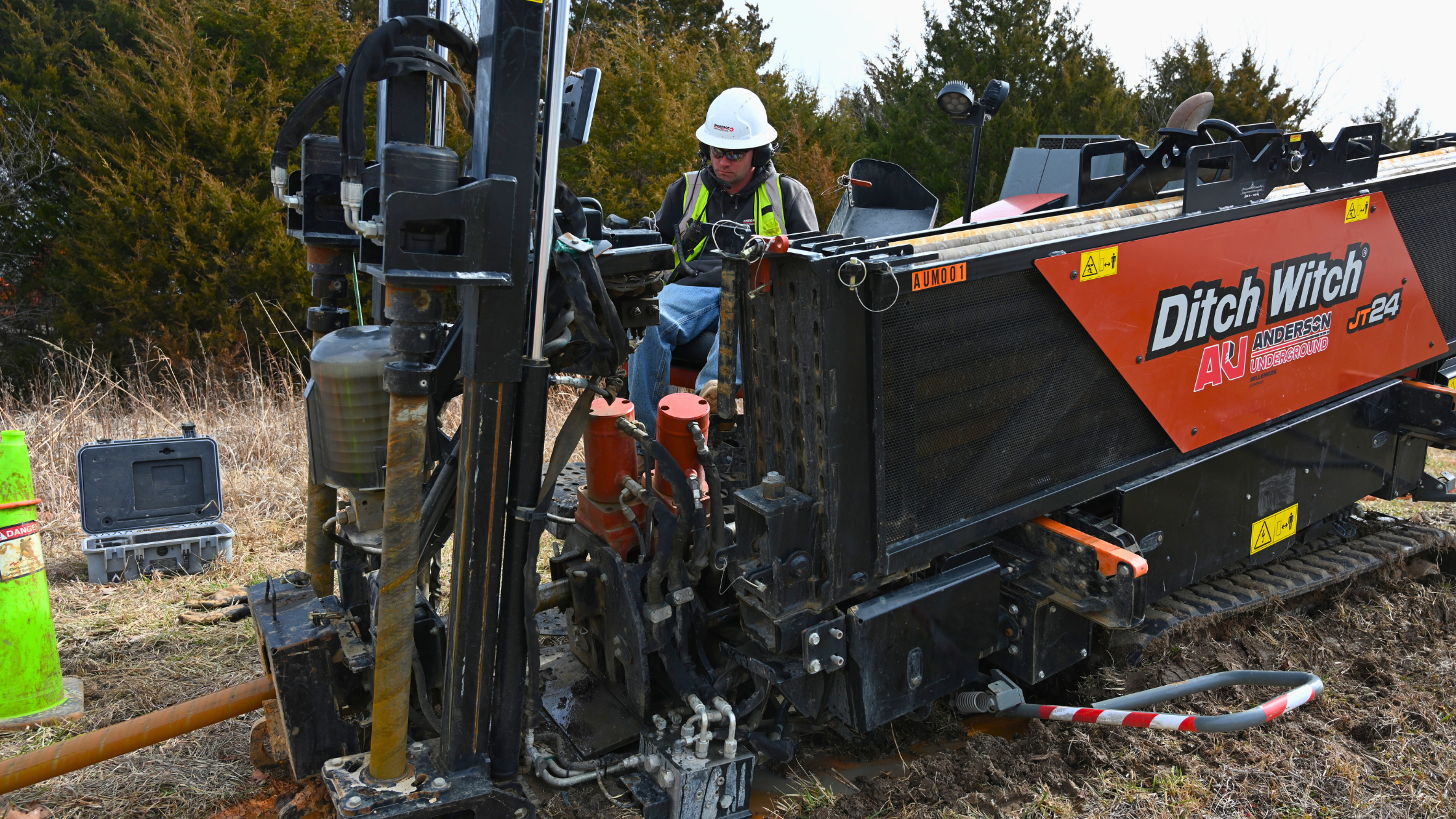
- Using the right equipment for precision work (e.g., directional boring, vacuum excavation)
- Limiting unnecessary surface disturbance
- Prioritizing safety for both crews and the public
- Keeping crews accountable to timelines and expectations
Anderson Underground emphasizes experienced crews and well-maintained equipment to handle complex conditions efficiently, reducing downtime and avoiding preventable setbacks.
The Role of Construction Methods in Reducing Disruption
Not all construction methods are equal when it comes to community impact.
Modern underground techniques help significantly reduce disruption:
- Directional boring avoids tearing up roads and landscapes.
- Vacuum excavation allows for precise, non-destructive digging.
- Cable plowing speeds up installation in rural or open areas.
Choosing the right method ensures that projects are completed with minimal surface impact and faster restoration.
Long-Term Durability Over Short-Term Shortcuts
One of the biggest mistakes in underground construction is prioritizing speed over quality.
Shortcuts may reduce disruption temporarily, but often lead to:
- Future repairs
- Repeat disruptions
- Increased long-term costs
A focus on long-term durability ensures that once a project is complete, the community doesn’t have to deal with it again.
This is why Anderson Underground prioritizes:
- Doing the job right the first time
- Using proven construction methods
- Maintaining high standards across every phase of the project
Quality craftsmanship and reliability are not optional; they are expected.
A Partnership Approach to Municipal Projects
Minimizing disruption isn’t just about execution; it’s about partnership.
Municipal leaders need contractors who:
- Understand the importance of public perception.
- Coordinate across departments and stakeholders.
- Take ownership of both the project and its impact.
A partnership-driven approach ensures alignment from planning through completion, resulting in smoother projects and stronger long-term relationships.
Conclusion: Infrastructure That Works for Everyone
Underground infrastructure projects are essential, but disruption doesn’t have to define them.
With the right partner, municipalities can achieve:
- Efficient project timelines
- Minimal impact on residents and businesses
- Long-lasting infrastructure built to perform
At its core, minimizing disruption is about respecting the communities behind the work and delivering results that last.
What planning steps are most important in municipal underground construction?
Early coordination, utility verification, and phased scheduling are critical to avoiding delays and reducing community impact.
How does directional boring help minimize disruption?
Directional boring allows underground installation without extensive surface excavation, preserving roads, landscapes, and access points.
Why is communication important during utility construction projects?
Clear communication ensures residents, businesses, and stakeholders understand timelines and impacts, reducing frustration and confusion.
How do municipalities choose the right underground construction partner?
They look for experience, proven execution, strong communication practices, and a track record of minimizing disruption.
What types of projects require underground construction services?
Common projects include fiber installation, water and sewer systems, power lines, and renewable energy infrastructure.
What role does safety play in minimizing disruption?
Safe job sites reduce accidents, delays, and unexpected shutdowns, keeping projects on schedule and communities protected.